Bias Towards Action

Elements of a Design Thinking Mindset from dSchool K12 Wiki

Elements of a Design Thinking Mindset from dSchool K12 Wiki

A bias towards action is the element of a design thinking mindset that resonates with me the most and what I see as really making this such a powerful pedagogical approach. Yet, the bias towards action is bizarrely an aspect that has seen some teachers question the appropriateness of design thinking as an approach for all learning areas. For me, the bias towards action is what makes this an authentic inquiry process rather than just another project producing a poster. Continue reading
Designing and Causing Learning

Wednesday morning as a staff we focused on what the learning will look like at Hobsonville Point Secondary School.

I shared a blog post by Grant Wiggins entitled Beyond teacher egocentrism: design thinking which is absolutely brilliant and provokes teachers to think of themselves as just one element that influences learning. This had really struck a chord for me and so I was rapt to see the rest of our staff enjoying the reading as well.

There are lots of good points in this blog but one line that sticks out for me and was mentioned by others in our discussions was:

we are in the business of designing and causing learning instead of merely in the business of teaching

Our activity focused on what Grant sees as the conditions necessary for optimal engagement and active learning to occur. Staff were broken into pairs or 3s to think about what that condition will look like for our specific context of HPSS. Below are the conditions and what we believe they look like for us: Continue reading

Bringing Discovery Back

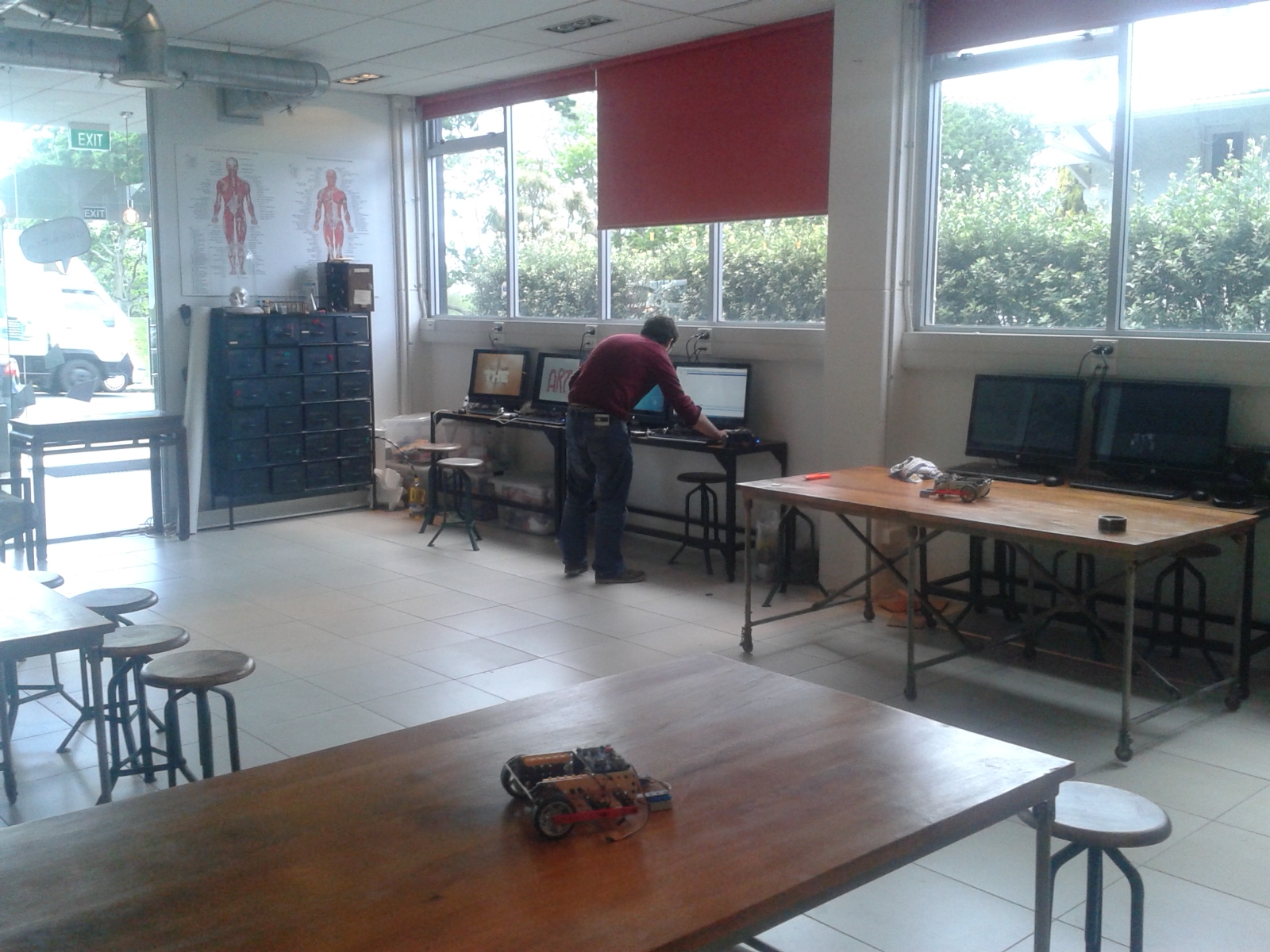
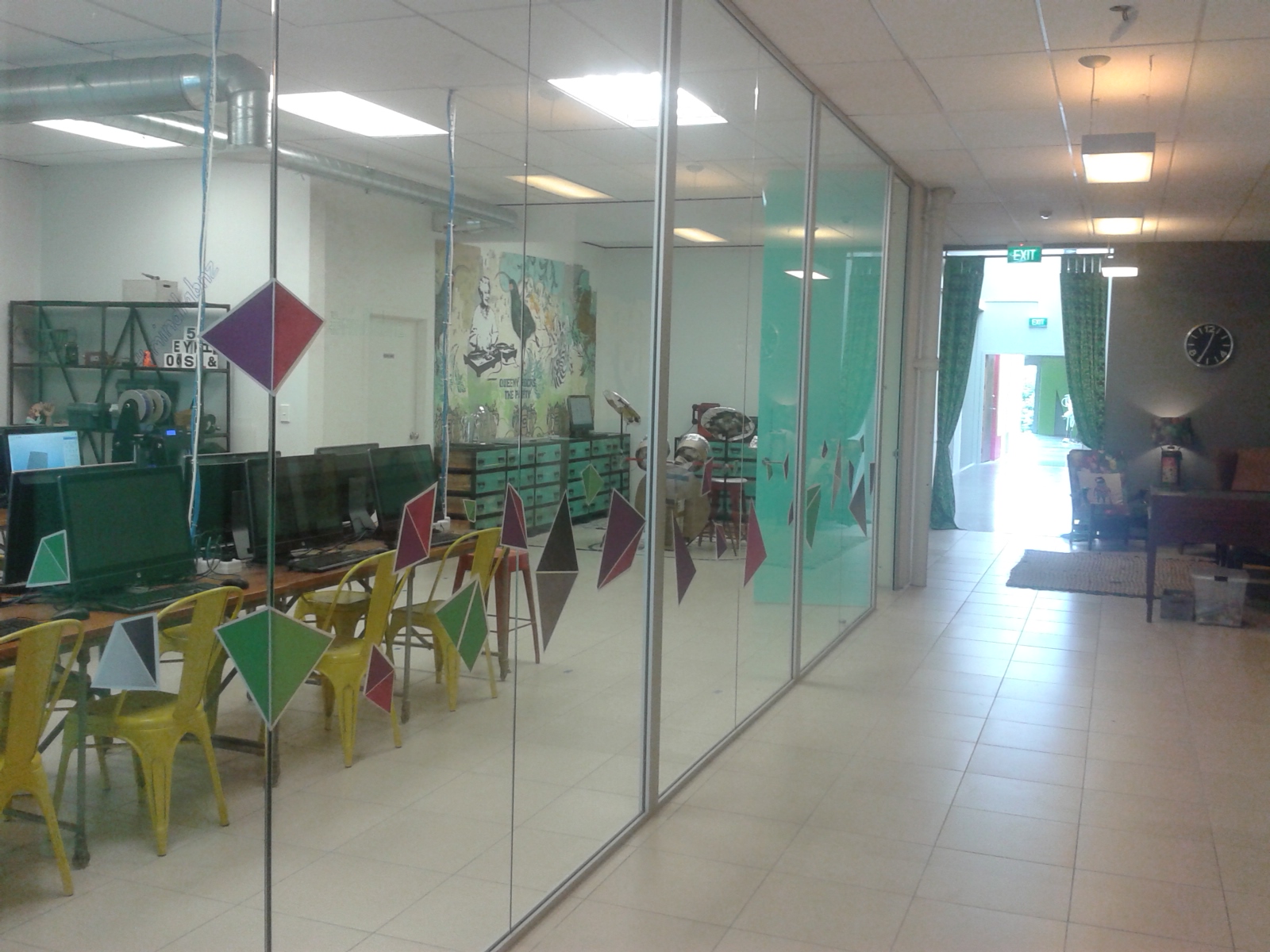
On Friday I was invited/gatecrashed a visit by our Deputy Principals to see the Mind Lab in Newmarket. It is an incredible space that really empowers people to discover science, technology and engineering. We are having a large MakerSpace built in our new school so were looking forward to seeing some ideas for how it could be set up and used plus work out what the Mind Lab could offer above what we could do in future.

Chris Clay met us and showed us around the amazing space while explaining what each area is used for: film special effects, 3D animation, robotics, coding, science…it was incredible as you can see from the photos below:

What a Science Lab can look like

What a Science Lab can look like

2013-11-01 12.35.43

The Coding Room and Corridor down to Robotics

Continue reading

Enabling Constraints

Snip20131031_3Seeing your Principal send a tweet like this is so incredibly affirming and validating of the work you have been undertaking. Especially when it comes on a day where your team is sharing the outcome of weeks of work putting together the structures for learning to take place in your school.

2013-10-30 08.58.16

The time spent on the vision, values etc. last term was the foundation for the structures coming into place over the past 2 weeks. All our decisions in putting these in place are well grounded in the school vision and values. Then in one day this week we introduced the staff to all the structures supporting the delivery of our curriculum: Continue reading

Shooting the Rapids

In this context, the practitioner is less like the bulldozer driver carving a way through the landscape to a pre conceived objective, more like a combination of canoeist shooting the rapids and creative artist exploring possibilities and waiting for inspiration.

(Mike Radford, 2007)

The quote above is my favourite teaching metaphor and one that I re-read regularly. It came to mind several times through this week where it really did feel like we were ‘Shooting the Rapids.’ Continue reading

Future Learning

Networked Camping GroundI have recently finished reading Disciplining and drafting, or 21st century learning? by Rachel Bolstad and Jane Gilbert and found it incredibly timely as we are planning the learning design for our new school.

Some of the brief highlights of this book for me were:

  • “Knowledge is innovation. Its role is to generate new knowledge, to do things.”
  • The importance of developing systems level of understandings and higher order thinking skills
  • A need to shift focus from skills to dispositions

All of this aligns nicely with what we have been working towards so far at Hobsonville Point Secondary School. Continue reading

NZC and Design Thinking Part 2

While last week was about deconstruction and reconstruction of the New Zealand Curriculum, this week has been about gaining clarity in our process. The state of the table over the past 2 weeks in our “Curriculum Hacking Cave” shows this quite nicely.

20130911-151916.jpg
Continue reading

E-Learning as a part of Effective Pedagogy

Finally it seems to have happened – people are looking at e-learning as part of effective pedagogy!

Devices, technology, browsers, e-tools, apps whatever you want to think of as e-learning are not a separate entity and should not be viewed that way. For quite some time now I have been having discussions with people about technology in education and have been frustrated by how often the conversations focused on the what rather than the why. Last week it seemed to me that a major corner has been turned. Continue reading